
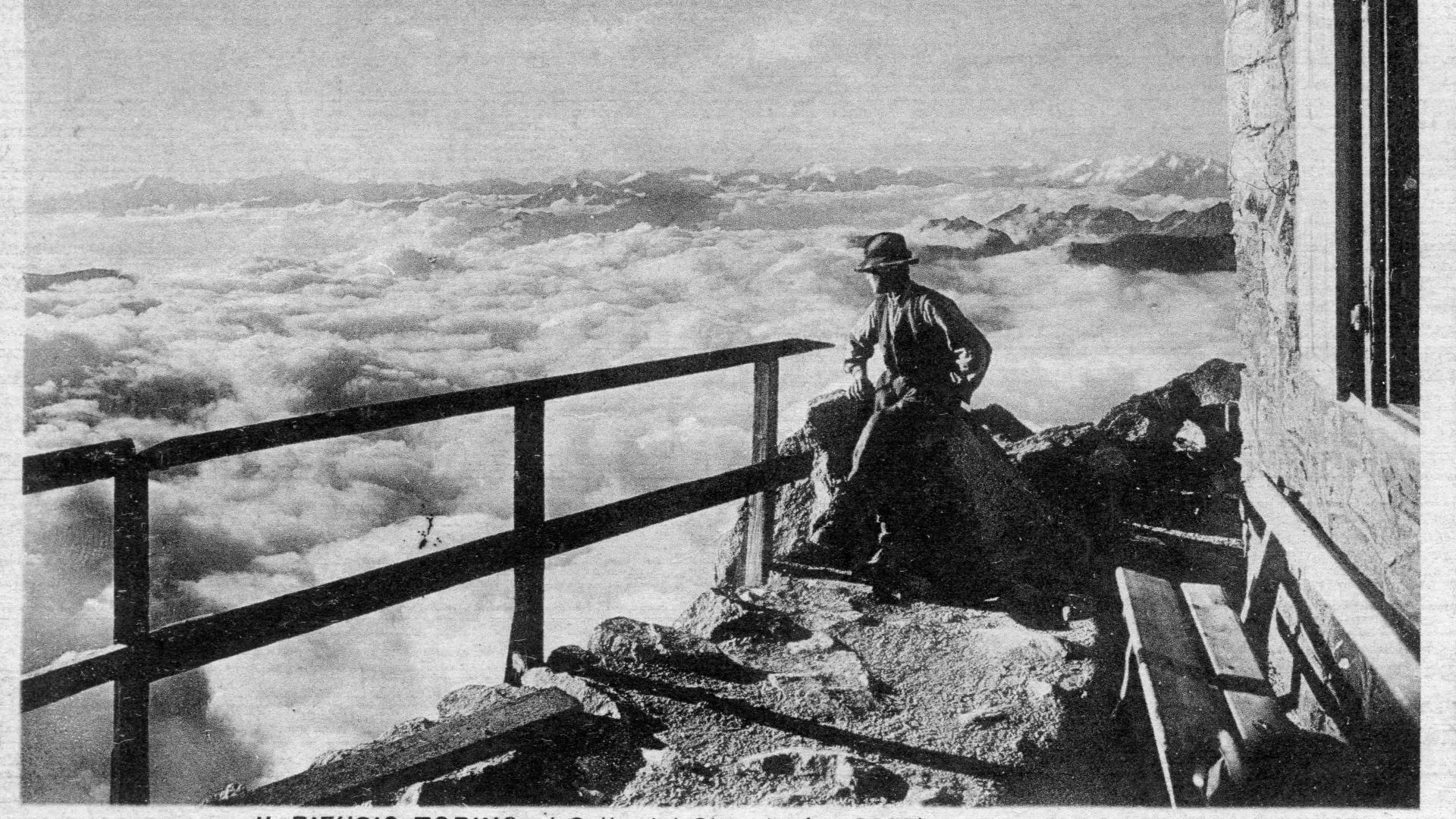
Mont Blanc and its history.
It is imposing, towering and admired by all for its beauty. We are talking about the Mont Blanc massif and a history stretching back millions of years
The Mont Blanc massif straddles the border between Italy and France.
In the Aosta Valley region, the Veny and Ferret valleys dominate the landscape. In France, in the Savoie region, it encompasses the Chamonix valley, extending as far as the Swiss canton of Valais, near Martigny.
4,808.72 metres is the latest official measurement of Mont Blanc, recorded in 2017
. The mountain range of which it forms part stretches 40 km in length and 8 to 15 km in width, covering an area of approximately 645 square kilometres.
Mont Blanc stands at 4,808.72 metres.
The French and Swiss slopes form part of the Rhône catchment area, whilst the Italian slope lies within the Po catchment area.
The geological evolution of Mont Blanc comprises three major periods:
- between 500 and 250 million years ago, during the Hercynian orogeny, the crystalline basement – that is, the base of present-day Mont Blanc – was formed;
- between 250 and 60 million years ago, the mountain was still submerged tens of metres below sea level;
- 30 million years ago, during the Tertiary period, following the collision of the African and Asian tectonic plates, the Alpine range was formed, with Mont Blanc emerging from the ocean alongside 24 other peaks exceeding 4,000 metres.
THE MASSIF AND ITS ROCKS
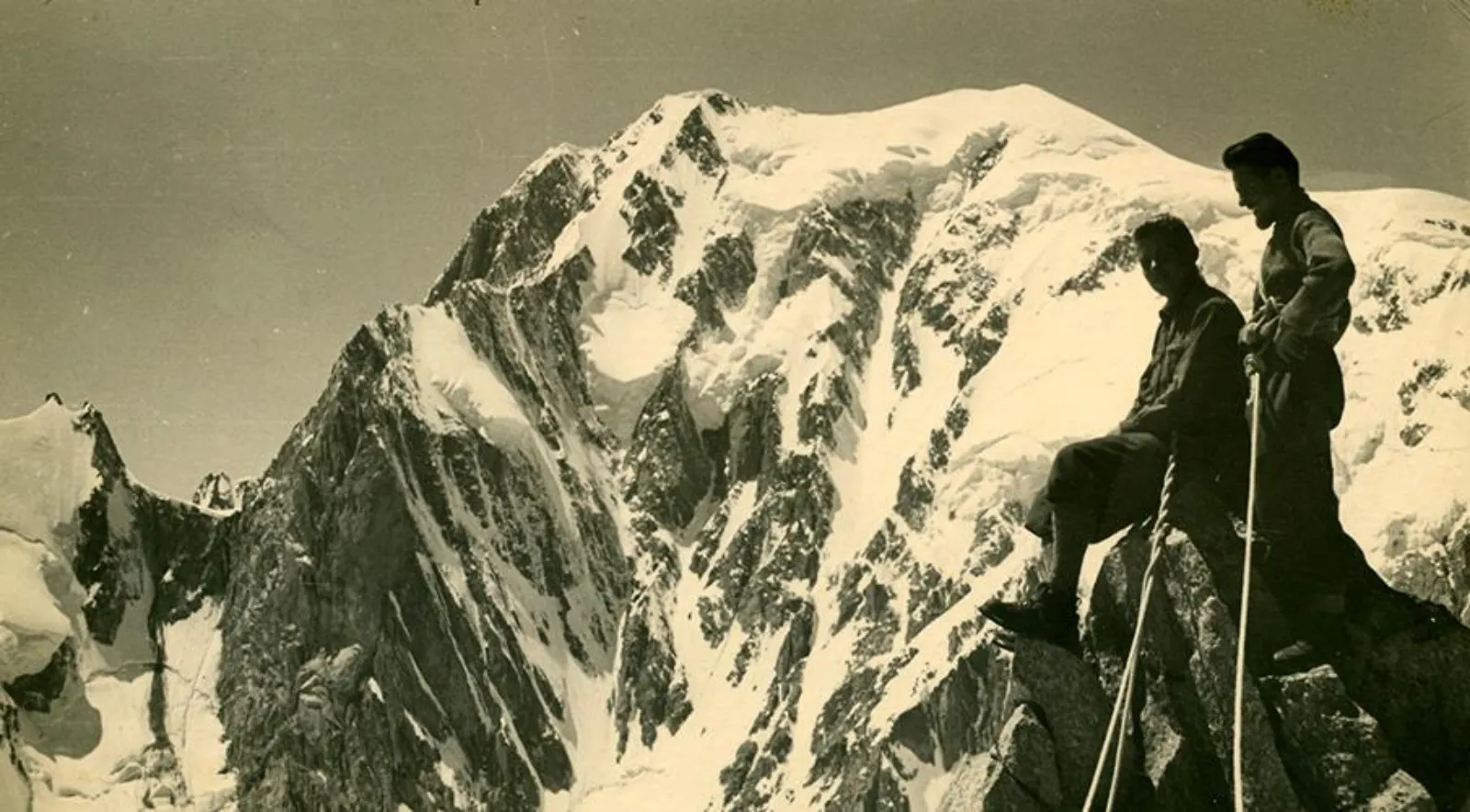
The Mont Blanc massif consists of a granite core surrounded by metamorphic rocks such as gneiss, mica schist and calcareous schist.
Granite is recognisable by the spire-like shape of its ridges and the pointed shapes of its peaks. This rock is very hard, but is subject to erosion caused by glaciers.
In some places, metamorphic rocks are found surrounding the granite: in these areas, protected by a shell of gneiss, the shapes are more rounded and continuous. It is here that the standard routes to the summit have been established.
At the bases of the granite and metamorphic rocks, however, we find undifferentiated sedimentary rocks.